The past year has been filled with challenges and discouragements—injustice, oppression, war, and famine plague our world.
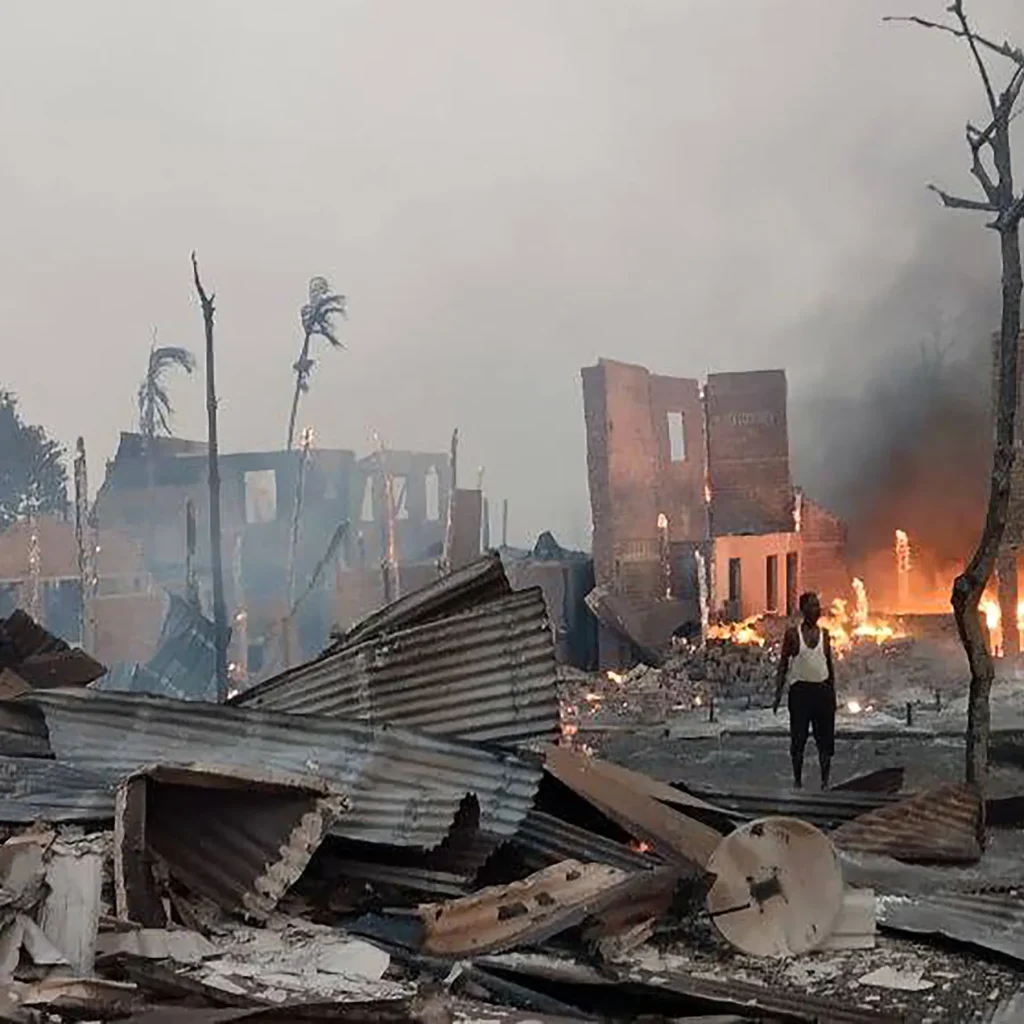
Today Cambodia is facing it’s largest scale humanitarian crisis in decades, as border clashes with Thailand have escalated into a broader armed conflict. In Myanmar, the military regime continues to brutally oppress its people but will no doubt win the “elections” it’s holding next week, despite controlling less than 60 percent of the country. Natural disasters are made far worse by climate change and leaders seemed focused only on the short-term. Countries around the world—especially in Asia—are building up their militaries, preparing for war. The global economy continues to prioritize the ultra-wealthy elite while extracting all the value it can from everyone else. We turn to the Church for hope and find theological splits, denominational schisms, and conflict.
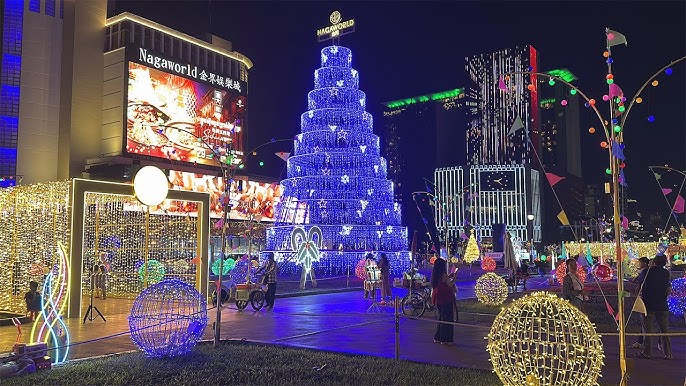
The Christmas season bursts into this moment as a candy coated distraction. The advertisements scream “eat, drink, and be merry” because Santa Claus is coming to town. In Phnom Penh (and across much of Asia), Christmas has become increasingly popular as a commercial holiday—a festive celebration of what can be bought at the luxury malls dotting the capital. Foreign casinos—infamous for allegations of human trafficking and oppressing their Cambodian workers—shine lavishly decked out in holiday lights and decorations.
Helpless and hungry, lowly and afraid
Wrapped in the chill of midwinter
Comes now among us
Born into poverty’s embrace
New life for the world
But no—take a breath—Christmas is a disruption, not a distraction. It is an annual reminder of the most dramatic realignment in human history. Two thousand years ago the world was troubled by wars, oppression, hunger, and wealth inequality. There were vicious ethnic and religious conflicts, power was held by a few, and ordinary people lived under harsh oppression. When we look around the world today—this all seems eerily familiar.
Who is this who lives with the lowly
Sharing their sorrows knowing their hunger
This is Christ revealed to the world
In the eyes of a child
A child of the poor
Christmas is one of the clearest reminders—surpassed only by Easter—that God’s ways are not our ways. God showing us in action what really matters, what can bring hope, love, peace, and joy despite the troubles of this world.
Who is the stranger here in our midst
Looking for shelter among us
Who is the outcast
Who do we see amid the poor
The poor the children of God
In fulfillment of prophecy, God incarnate was born in Bethlehem however, in defiance of our earthly values, Jesus was not born to the wealthy or powerful, but to a working class family. This was a deliberate choice—Joseph was far from the only descendant of David—showing us in the clearest terms what matters from God’s perspective. Some of our Christmas hymns and stories try to sanitize this moment, yet God incarnate was born in a stable—which was filthy, demeaning, and lowly—to a ordinary family forced to migrate by an oppressive government. This was a clear demonstration that our earthly troubles cannot separate us from God, who is far beyond willing to meet us in the midst of them.
Why lies he in such mean estate
Where ox and ass are feeding
Good Christian fear for sinners here
The silent Word is pleading
Then as now, Jesus is reminding us that human power structures are temporary, that prestige will fade, and that our treasures will rust or be lost—that our true calling is to love God and to love our neighbor.
God has shown a great care for healing our broken relationships—both our relationship with God and our relationships with each other. I don’t believe that Jesus elected to be born in “such lowly estate” just to give us a new to-do list or code of conduct—a palace birth would have been better for that—but rather, it seems to me, that Jesus came in the midst of earthly troubles to bridge the gap. Or as Paul evocatively writes, “to destroy the wall of hostility.”
This Christmas—just like two thousand years ago—Jesus invites us to realign our lives to prioritize right relationships with God and each other, along with promises of a hope beyond earthly hope and a peace that surpasses all understanding. In this world we will have troubles, but as I’ve written before, “God didn’t ask me to save the world – I can’t even save myself – God just told me to have faith.” So let us continue in that simple faith in Jesus is right here with us in the midst of our earthly troubles and discouragements. That we don’t need to feel the weight of a broken world that we can’t fix despite our best efforts – we just need to follow Jesus’ example of loving God and loving our neighbors.
Thank you for this encouraging word during a dark time.
Thank you Charles for this word of hope…Light in the darkness.