The MCC Representatives to India, our friends and colleagues John and Deepti Bhattacharjee, wrote an article on Decolonizing Development for the Winter 2026 edition of Mennonite Central Committee’s Intersections: MCC theory and practice quarterly newsletter. I’m sharing the text of the article below.
India achieved independence in 1947 after more than 200 years of British colonization, which deeply impacted India’s identity, culture, education and economy. One painful result of colonial rule was the Bengal Famine of the early 1940s, where over three million people died of hunger—a tragedy attributed not to drought but to colonial policy failures, as documented in Madhusree Mukerjee’s Churchill’s Secret War. In response to such suffering, MCC stepped in, supplying food to India for the first time. Thus began
MCC’s humanitarian journey in India, a response that might be viewed as a precursor to decolonial humanitarian response—supporting local recovery rather than perpetuating colonial control. While western political powers continued to use food aid as a tool of strategic diplomacy, often linking humanitarian assistance to political influence (Piana 2023), MCC’s approach stood apart by prioritizing relief over leverage. This approach laid the groundwork for more equitable community development partnerships.
Equitable community development partnerships are particularly important for decolonization work in India due to the legacy of India’s caste system.
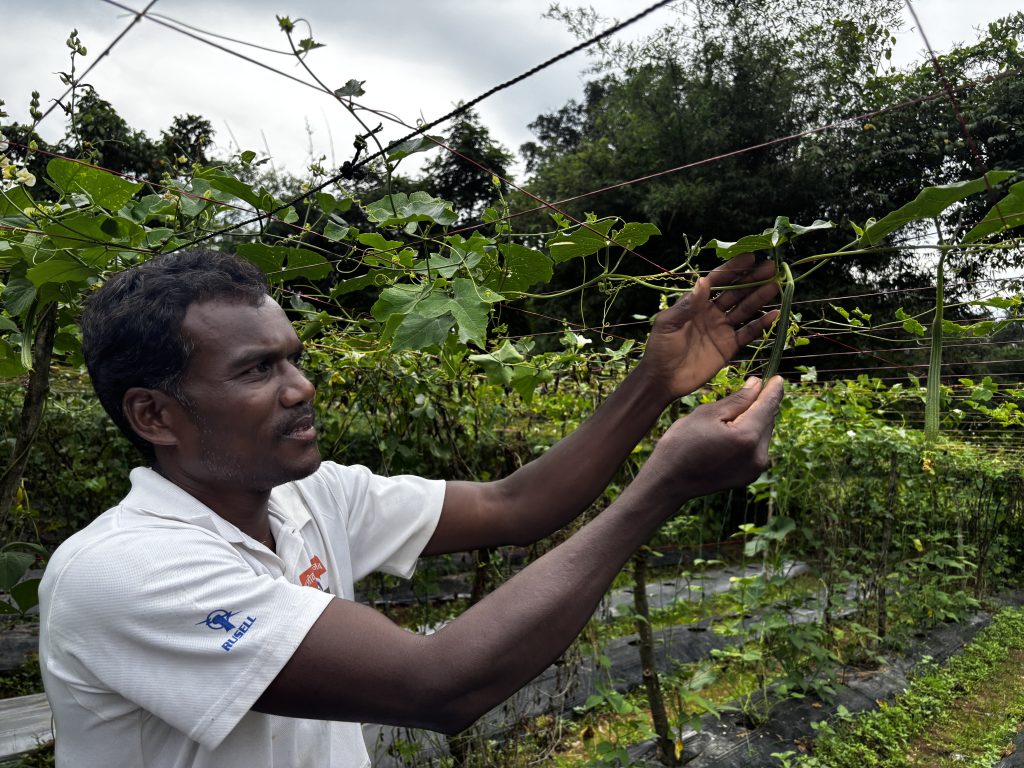
Though predating colonial rule, the British policies solidified the caste system, exploiting its hierarchies and entrenching its inequities. Despite official deconstruction of the caste system post-independence and ongoing affirmative action, the system’s legacy continues, particularly evident in who holds power in society and whose knowledge is considered valuable. Furthermore, the caste system is still practiced informally, requiring ongoing efforts to combat caste-based discrimination. Equitable partnerships that value local knowledge and expertise and position communities as active agents of change help combat these colonial legacies.
Beginning with relief efforts in 1942, MCC’s approach in India has evolved to further combat colonial legacies through equitable partnerships that both affirm local expertise and empower communities into action. Several current MCC partnerships reflect this decolonial approach.
- Disha, for example, nurtures self-help group initiatives, focused on goatrearing, reviving traditional crops and promoting sustainable farming methods that preserve soil fertility. Disha-supported projects emphasize living in harmony with forests and rivers. Community members provide basic veterinary care and take ownership of sustainable practices.
- ISARA supports farmers’ groups in managing irrigation systems and adopting eco-friendly farming techniques.
- Asha Kiran Society’s farmers collaborate with the government to reclaim barren land using Sloping Agricultural Land Technology (SALT) (Shah et al. 2025), form producer groups, access government programs, improve yields and secure better prices, becoming catalysts for rural development. These initiatives promote democratic decision-making, community resilience and economic independence.
By strengthening partners’ capacities, MCC in India fosters development that is locally driven, culturally rooted and responsive to community needs. In contrast to colonial approaches, this decolonized model enables communities to shape their own future with knowledge, collaboration and dignity. MCC’s role in India remains that ofcatalyst and companion, accompanying communities to nurture and affirm locally led, contextually grounded and responsive development (Scott 2024).
MCC in India has also been a catalyst in encouraging partners to form inclusive local governing bodies, addressing gender gaps and other social divides and fostering true decision-making power. This approach contrasts with the centralized, hierarchical, racialized and patriarchal legacies of colonial rule in India and has strengthened organizational competence by enabling fuller participation in development processes. MCC’s support has fostered Indigenous leadership and empowered boards like the Mennonite Christian Service Fellowship of India (MCSFI) and the West Bengal Voluntary Health Association (WBVHA) to lead mission-driven work. The Organizational Development Assessment (ODA) workshop has also helped MCC partner governing bodies review their performance and make improvements based on their local contexts. Staff monitoring visits reveal vibrant democratic cultures among MCC’s partners—regular meetings, open dialogue and active debate—reflecting ongoing decolonization in leadership.
MCC continues to advance locally led development in India by prioritizing native knowledge within its own staff team. Increasing numbers of skilled national staff are working alongside international colleagues to manage administration and support partners in planning, monitoring, evaluation and reporting. Their shared cultural contexts and language foster trust and rapport, which facilitate open dialogue about challenges, participant needs and locally grounded response to those needs. This shift has strengthened MCC’s relationships with partners, improving transparency and enhancing responsiveness to community priorities. National staff typically serve longterm and receive ongoing training that equips them with strong reporting and communication skills. A major milestone in MCC’s history in India was the appointment of Indian nationals as representatives, marking a shift from over 80 years of foreign leadership. This shift affirms native leadership, deepens contextual understanding and promotes more equitable, culturally sensitive development practices.
Despite MCC India’s ongoing efforts toward decolonization, challenges remain. Complex monitoring and evaluation systems and language requirements, as well as educational gaps, often make it difficult for partners to share their stories. Rigid reporting formats often feel foreign, highlighting the need for flexibility and context-sensitive methods that match the capacity of each partner. There is room for MCC’s decolonization efforts to grow.
MCC India’s journey demonstrates the power of decolonized development. From famine relief to nurturing local leadership, MCC has prioritized dignity, equity and contextual relevance. Support for vocational training, sustainable agriculture and inclusive governance has enabled communities to become agents of change. The shift to national leadership and investment in long-term national staff have strengthened trust and transparency. While colonial legacies still pose challenges—especially in reporting—MCC India continues to adapt with flexible, culturally grounded approaches. Development is rooted in local knowledge, collaboration and the lived realities of the communities served. MCC’s role remains that of catalyst and companion, ensuring that development is not only effective but also just, inclusive and transformative.
John and Deepti Bhattacharjee have been MCC representatives for India since 2021. They live in Kolkata, India.