In 2023 Cambodia hosted the Southeast Asia Games for the first time. You can think of the SEA Games as a regional Olympics that – in addition to hosting well known international sports like Soccer – include Southeast Asian regional sports like Sepak Takraw, Ouk Chaktrang, Pencak Sila, and traditional boat races. The martial arts category usually labeled “Muay Thai” was officially designated as “Kun Khmer” by the Cambodian organizers. Muay Thai and Kun Khmer are deeply related martial arts – siblings, not cousins – that share common roots in the ancient Khmer martial art Bokator (recognized as one of the oldest martial arts in recorded history).
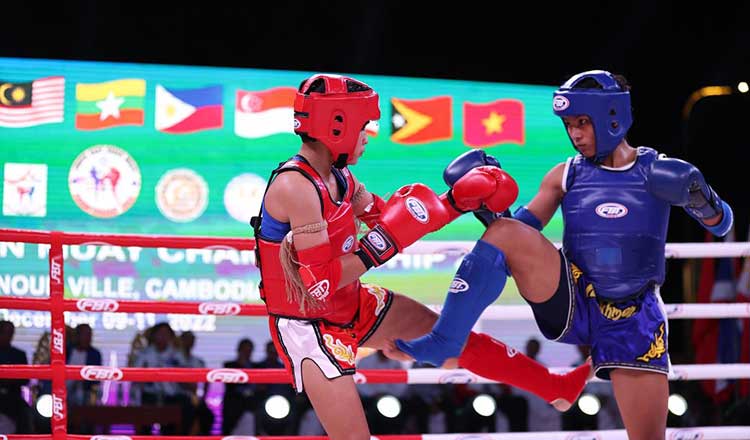
Long term MCC Cambodia partner Women Peace Makers actively tracks online conflict dynamics—particularly along ethnic lines—and noticed an abrupt spike in Thai-Khmer online conflict around the Muay Thai/Kun Khmer naming issue. They began researching this almost two years, organizing a cohort of Thai and Cambodian youth who used WPM’s Facilitated Listening Design – an empathy based approach rooted in the Southeast Asian context and initially piloted with a MCC grant in the 2010s – to gather perspectives on the conflict while building empathy between the two sides. This approach produces actionable research on sensitive issues while also conducting peacebuilding and building the conflict transformation capacity of young people.
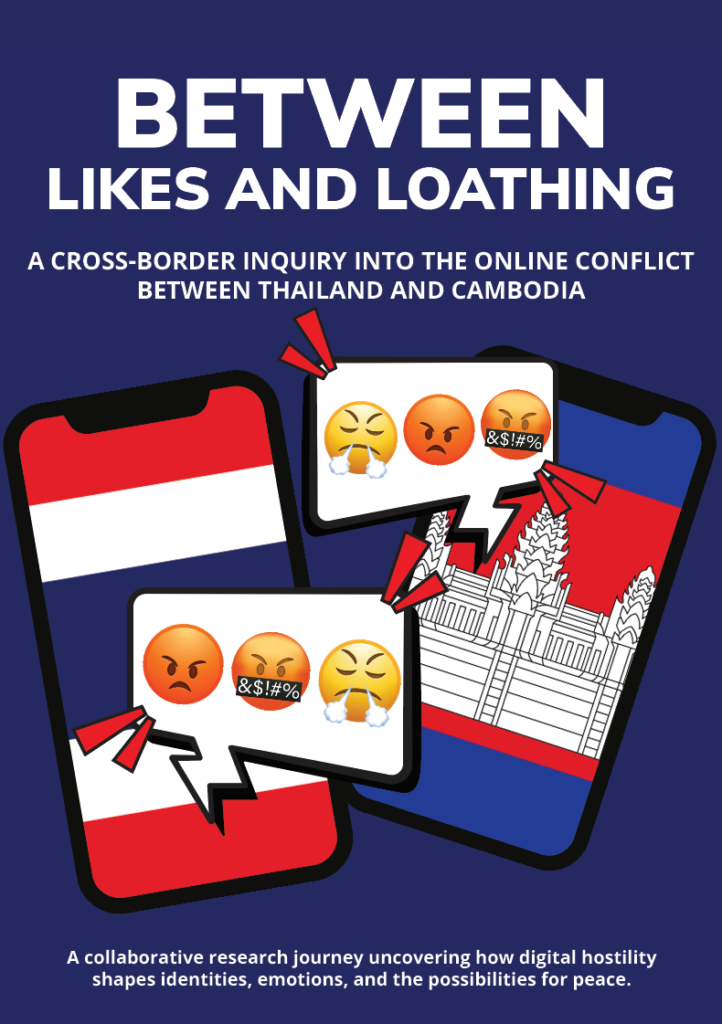
Last week Women Peace Makers published their findings with an event in Phnom Penh, Cambodia followed by an event in Chiang Mai, Thailand. Since they began their research almost two years ago armed conflict has erupted between the two countries and the online conflict has escalated to extreme levels. The last two weeks of armed conflict has lead to the largest scale humanitarian crisis in Cambodia in decades with hundreds of thousands of people displaced from the border regions.
One important finding was that the surge of online conflict was not driven by political actors/funding but, rather, it was the social media algorithms themselves that rewarded incendiary content for being “high engagement”. To emphasize that – WPM found that the social media platform algorithms prioritized and financially incentivized content that promoted ethnic tension between the Thai and Khmer.
I think we can see this trend around the world – social media algorithms have been set to capture as much of our time and engagement as possible in order to extract value from our social networks. For much of human history paying attention to conflict was a survival skill but now it’s become a trait for corporate algorithms to exploit.
From the Women Peace Makers website:
The findings expose complex patterns of pride and pain: Cambodians’ frustration at feeling mocked and inferior, Thai participants’ disinterest tempered by a sense of hierarchy, humor as both weapon and wound, and the emotional toll of living within constant online tension. They also point to education, media literacy, and cross-border dialogue as crucial pathways to rebuild understanding amid digital hostility.
Conducted in 2024, before the armed clashes and renewed border tensions of 2025, this research offers rare and timely insight into the attitudes and emotions that shape evolving relations between everyday people in the two nations.
Between Likes and Loathing invites readers to look beyond the comment threads to the people and histories behind them.
I’d definitely recommend reading the full publication if you have interest in online conflict, Cambodia, or Thailand. It provides a critical understanding of the tensions between the two countries.
Fascinating. One of my students & his father both compete internationally in Muay Thai. I will ask my student if he’s heard of this other name. He’s competed in Thailand, but I’m not sure if he’s been to Cambodia.
I’ve noticed many postal that see harm as humorous, accidents as entertainment. We are not so far from early days when killing in the collesium was family entertainment. …